
This topic is more common than anyone would ever expect. In my practice, parents trying to navigate their children’s behavior often don’t know what to do or where to turn. So, here is a candid explanation of what could be going on with your child.
Children who experience social difficulties often communicate their emotional distress through their behavior. Aggression, defiance, withdrawal, impulsivity, and other forms of aberrant behavior are frequently symptoms of underlying challenges rather than simply acts of disobedience. Effective intervention begins by understanding the reasons behind the behavior instead of focusing solely on its consequences. You see, many children struggle because of poor social skills, bullying, trauma, inconsistent home environments, developmental disorders, learning disabilities, anxiety, depression, or difficulty regulating their emotions. These factors can interfere with their ability to form healthy relationships, interpret social cues, and respond appropriately to everyday situations.
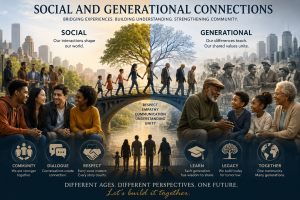
Adults who work with these children should first establish a trusting and supportive relationship. Children are more likely to respond positively when they feel respected, heard, and emotionally safe. Active listening, empathy, and consistency create an environment where positive change can occur. Teaching ‘social skills’ directly is equally important. Role-playing, modeling appropriate behavior, problem-solving activities, and guided peer interactions help children learn effective ways to communicate, resolve conflicts, and express their emotions. These skills should be reinforced through regular practice and positive feedback.
Positive reinforcement is generally more effective than punishment. Recognizing and rewarding appropriate behavior encourages children to repeat those behaviors. Clear expectations, predictable routines, and consistent consequences also provide the structure many children need to feel secure and successful. Therefore, behavior should always be viewed within its context. Functional behavior assessment can help determine what purpose a behavior serves within its context. Functional behavior assessment can help determine the purpose a behavior serves, whether it is to seek attention, escape difficult tasks, obtain something desired, or respond to sensory or emotional needs. Once the function is understood, interventions can be designed to teach more appropriate replacement behaviors.
Collaboration among parents, teachers, school counselors, psychologists, and behavioral specialists is essential. A unified approach ensures that expectations and interventions remain consistent across home, school, and community settings, increasing the likelihood of lasting behavioral improvement. Ultimately, children with social challenges are not defined by their aberrant behavior. With patience, compassion, evidence-based interventions, and supportive relationships, they can develop emotional regulation, improve social competence, build resilience, and become successful participants in their families, schools, and communities.