
The relationship between a mother and her son is often described as one of the most powerful emotional bonds in human life. In childhood, a mother frequently represents safety, guidance, and unconditional support, and at this point of bonding, the situation becomes out of control. A son may look to his mother as his first teacher, protector, and emotional anchor; however, as he becomes an adult, the relationship must evolve. What was once nurturing can become controlling, dependent, resentful, or emotionally distant if both individuals Do Not adjust to new roles. When this transition fails, the relationship can deteriorate, sometimes quickly and sometimes painfully. Understanding why these relationships go wrong can help mothers and adult sons rebuild healthier connections.
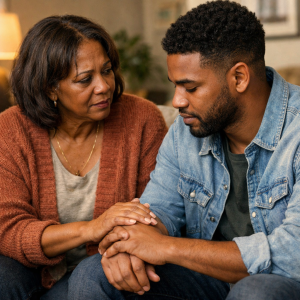
One of the most common sources of conflict is the failure to recognize that the son is no longer a child. During childhood, mothers often make decisions for their sons about what they eat, where they go, and what is right and wrong. As sons grow into adulthood, they must develop independence, identity, and authority over their own lives. When this shift is not respected, tension grows, and common signs of difficulty appear, such as the mother continuing to treat her son as if he cannot make decisions. A son who feels constantly judged or corrected. Arguments about lifestyle choices, relationships, or careers. And, finally, ’emotional withdrawal to avoid conflict.
For the adult son, independence is essential. For the mother, letting go can feel like losing purpose or control. When neither side understands the other’s emotional position, resentment grows. I have found over the years of ‘therapeutic engagements’ that, in many families, the mother-son bond becomes emotionally intertwined, and boundaries disappear. When this happens, a mother relies on her son for emotional support that should come from adult relationships. The son feels responsible for his mother’s happiness or not. The mother becomes overly involved in her son’s marriage or personal life. Psychologists often describe this event as ’emotional enmeshment,’ where personal boundaries are unclear, and individual identity is weakened. Over time, the adult son may feel suffocated, while the mother may feel abandoned when he begins to establish independence. The result of this is often distance, arguments, or complete separation.
Another common breakdown occurs when control replaces guidance. Some mothers struggle to accept their son’s decisions, even poor ones, as those decisions now become his responsibility. This is when advice turns to criticism, and concern turns into pressure. Examples of this would be criticizing his choice of a partner. Attempting to control finances or career decisions, comparing him to other family members, and undermining his authority as a father or husband. What begins as concern may be interpreted by the son as disrespect. Over time, the son may limit contact, creating emotional distance as a form of self-protection.

One final note of reference could be unresolved childhood wounds. Many adult conflicts between mothers and sons are NOT actually about the present; they are about unresolved experiences from their childhood. A son who felt ignored, overly criticized, emotionally neglected, and excessively controlled may carry these experiences over into adulthood. What is equally likely is when the mother carries her own unresolved struggles, such as raising a child or children alone, financial hardship, emotional stress, and personal trauma. The truth of the matter is that without honest conversations, these hidden wounds can shape adult interactions in subtle ways. Small disagreements may trigger deeper feelings of hurt that were never addressed. In the end, being a mother doesn’t separate you from having been traumatized, and or neglected yourself. In this case, it’s time to reevaluate your life circumstances to better understand your life as a child, an adult, and a mother. Remember, healthy relationships require a clear understanding that adulthood creates ‘new priorities’ and ‘responsibilities.’ When boundaries are respected, both relationships can coexist peacefully, but that may take some time to unfold.