
Mental abuse is clearly what ‘silent wounds’ look like when a parent abuses child-rearing privilege. Mental abuse, also known as emotional or psychological abuse, is one of the most devastating forms of mistreatment a child can experience, especially when it comes from the person meant to protect and nurture that child. Unlike physical abuse, mental abuse leaves no scars, but its effects can last a lifetime, shaping a child’s sense of self-worth, security, and ability to trust.
Mental abuse involves a pattern of behavior that attacks a child’s emotional development and self-esteem. It includes verbal assaults, constant criticism, threats, rejection, manipulation, humiliation, isolation, and emotional neglect. When a mother, the primary caregiver in many families, is the source of such abuse, the damage can be profound because the child’s fundamental need for love and acceptance is betrayed. The constant criticism, belittling the child’s efforts, abilities, or appearance, often saying that the child will never be good enough, becomes a stranglehold on that child. As we identify ’emotional neglect’ to ignore the child’s emotional needs, and offering little affection, encouragement, or validation, can be crippling.
Control and manipulation are brought to bear by using guilt, fear, or threats to dominate the child’s actions or emotions. To add insult to injury, ‘public humiliation’ is utilized by mocking or shaming the child in front of others to establish power or control. This is also damaging as we affirm the idea of ‘gaslighting,’ which means making the child question their reality by denying or twisting facts about events or conversations. When the idea of ‘unrealistic expectations’ thereby forcing the child to meet unattainable standards and punishing them emotionally when they inevitably fail is the demonstration of unjust control and manipulation.
The emotional fallout from maternal mental abuse can be severe and far-reaching. Victims often grow up experiencing low self-esteem by internalizing the belief that they are worthless or unlovable. Trust issues occur when the child struggles to form healthy relationships later in life due to a fear of betrayal. At this stage of abuse, anxiety and depression form as the child endures chronic feelings of sadness, fear, and inadequacy. Difficulty regulating emotions by suppressing emotions completely or expressing them in unhealthy ways is counter-productive to levels of maturity and growth—the most disparaging outcome lines up with self-harm and suicidal thoughts. In extreme cases, untreated emotional pain can lead to dangerous coping mechanisms.
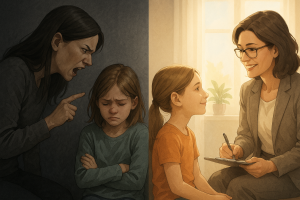
What’s essential is that this entire brand of maltreatment by a mother may engage emotionally abusive behavior of unresolved trauma. A mother who was herself abused as a child may unknowingly perpetuate the same cycle of treatment. Mental illness in the mother creates conditions like depression, narcissistic personality disorder, or substance abuse issues, which can also contribute to the problems. In contrast, many mothers do not know how to meet their child’s emotional needs. Towards the end of this emotional journey, the mother projects her emotional outcry by taking out their insecurities or frustrations on their children.
To break this cycle of abuse, awareness is the first step toward healing. Both the victim and the abuser must recognize the patterns of behavior. Support from therapists, counselors, and trusted individuals is crucial. Therapy can help children and adults who were emotionally abused as children rebuild their sense of self, develop healthy coping strategies, and learn what it means to experience unconditional love.
My final thoughts are that mental abuse by a mother wounds a child’s heart in invisible but compelling ways. However, with understanding, support, and the right tools, survivors can heal and build lives rich in self-respect, trust, and hope. Recognizing the signs and talking openly about emotional abuse, not just for those who have suffered, but to prevent future generations from carrying forward the same silent pain.
This Article was Last Updated On: September 7, 2025