
‘Controlling the Narrative’ is more than a political slogan or corporate catchphrase; it’s a psychological principle that touches on influence and perception —and, of course, human behavior. At its core, it refers to shaping how others understand events, ideas, or identities. In psychology, this concept links to storytelling, framing, cognitive biases, and the human need for coherence. Whoever controls the narrative, in many ways, controls meaning, and meaning drives decisions. 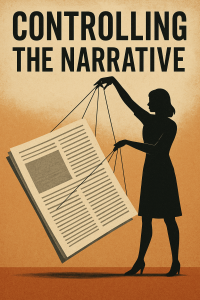
‘The psychology of narratives relates to humans as meaning-making creatures. We understand the world less through raw facts and more through stories that give those facts context. Psychologists note that stories provide coherence, reduce uncertainty, and anchor our identity. This is why narratives are powerful levers of influence: they shape not just what we think but also how we feel. Controlling the narrative is essentially controlling the frame through which information is processed. Cognitive psychology demonstrates that framing can influence perception without altering the underlying facts.
On a personal level, ‘controlling the narrative’ refers to how we tell our stories to others and ourselves. Psychologists call this a self-narrative or life story. The way you describe your past experiences shapes your resilience, confidence, and relationships. Thus, learning to author your own narrative is an act of psychological empowerment.
This Article was Last Updated On: May 13, 2026