
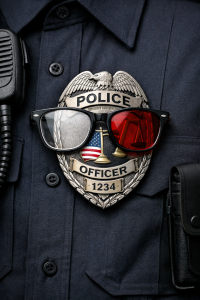
Policing exists to protect the public, uphold the law, and maintain social order. When it functions fairly, it can be a stabilizing force. When it does not, when bias does not influence decisions, discretion, and enforcement, it becomes a corrosive element within society. In the United States, the persistent reality of racial bias in policing toward Black people and other people of color has grown into a serious detriment, not only to the communities most affected but to the legitimacy and effectiveness of law enforcement itself. This article is not an indictment of every police officer, because many serve with integrity, restraint, and a genuine concern for the public, but are often required to appear to be moving with the crowd. But systemic problems do not require universal participation to cause widespread harm. Bias, whether explicit or implicit, can quietly shape behavior, policy, and outcomes in ways that undermine justice and public trust.
Bias in policing often manifests not through overt racism, but through patterns of behavior, disproportionate street stops, searches, and arrests. There is a greater use of force in interactions with people of color, harsher assumptions about threat, guilt, or criminal intent, and unequal enforcement of low-level offenses. Historical narratives, institutional practices, and cultural conditioning reinforce these patterns. Over time, they create a system where people of color experience law enforcement not as protection, but as surveillance.
For many Black families, interactions with police are perceived with fear rather than reassurance. This is not irrational fear; it is learned through experience, community stories, and repeated exposure to unequal outcomes. You see, trust is the foundation of effective policing. When communities do not trust law enforcement, crimes go unreported. Witnesses refuse to cooperate, community police partnerships collapse, and violence becomes harder to prevent or solve. Why? Because bias fractures this trust when people believe they will be mistreated, or worse, harmed by those sworn to protect them at all costs, they disengage. This behavior creates a dangerous paradox where the communities most in need of effective policing are the least likely to receive its benefits. This erosion does not stay contained within marginalized neighborhoods. It spreads outward, weakening the justice system’s overall credibility.
From a psychological standpoint, biased policing inflicts long-term psychological harm, such as chronic stress from constant vigilance, trauma from aggressive or humiliating encounters, and the normalization of fear in everyday life.
This Article was Last Updated On: May 13, 2026