
Post-traumatic stress is more of a condition than a disorder. As I live with this condition, I experience the psychological nuances that wreak havoc on my behavior. This condition alters my behavior and manipulates its way through my entire being. During this period, I didn’t recognize who I was. This has become disturbing because I am accustomed to finding a way to move beyond these contorted emotions and salvaging some semblance of control.
I write to stay ahead of my emotions by seeing how I genuinely feel on a page. Often, witnessing an event or my writing conveys allows me to evaluate my feelings to understand my thoughts. In this hour of emotional upheaval, I face a challenge requiring assistance. Knowing that help is needed keeps this condition in check before it takes over completely. The quiet outcry of this debilitating awakening calls for action to establish the source or sources of this confusing psychological phenomenon.
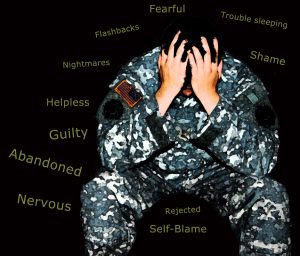
I know that many suffer from trauma, and many have no help. Learning more about how and why I feel this way has become my mission to help others with similar trials. The new feeling of experiencing humiliation has entered my private mind space. This humiliation has arisen because I no longer feel in control. Losing control can disturb other emotional outlets and deepen anxiety and depression.
Experts convey that PTSD can bring about another set of circumstances just as damaging. People from all walks of life have their thinking mechanisms, and these mechanisms follow a direct pattern. Finding those patterns only comes with continued treatment and the will to survive despite the challenges. Of course, with every challenge comes the idea of sacrifice. Giving your time and effort to seek that assistance to discover what works for you is called commitment, and commitment edges on responsibility. Without the core values of integrity, you’re lost in a storm you should have never gone into from the beginning.
This Article was Last Updated On: October 22, 2025